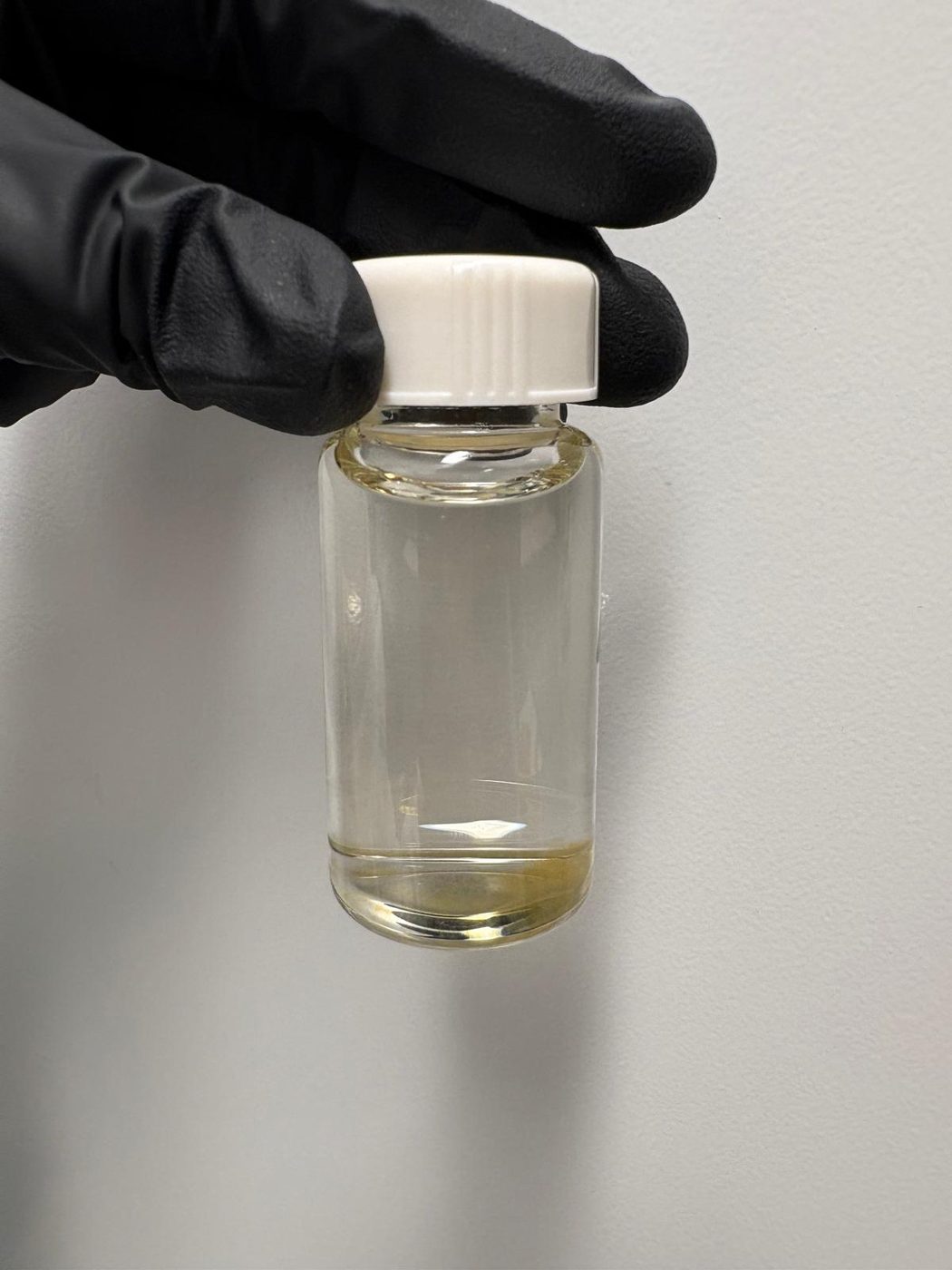
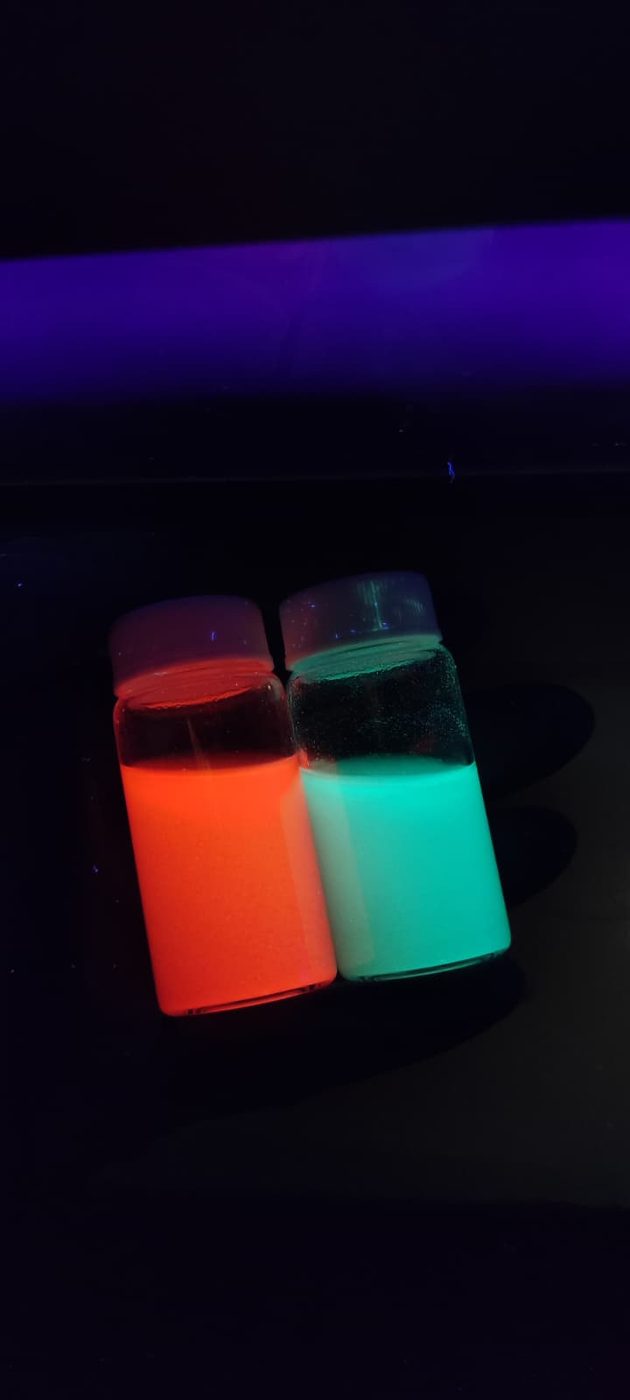
Our research starts from a fundamental question, what controls how a nanomaterial absorbs and emits light?, and follows the answer into five application areas. Carbon dots are our main platform: they can be made quickly and sustainably, often from waste biomass, and their surface chemistry can be tuned for very different jobs.
Nanomedicine & bioimaging
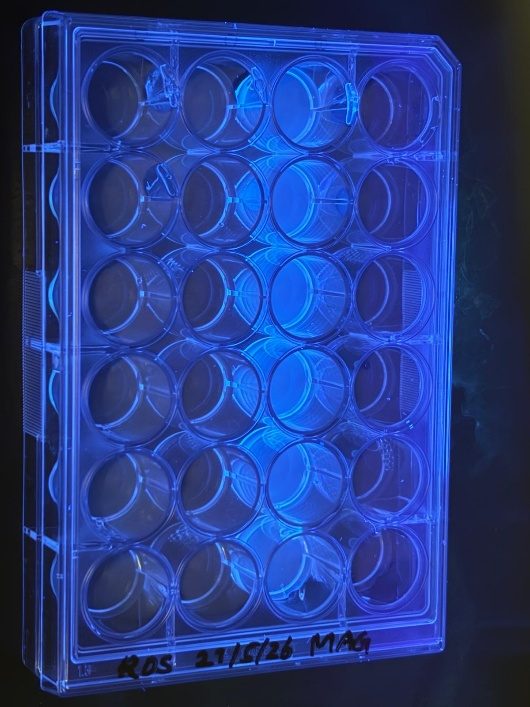
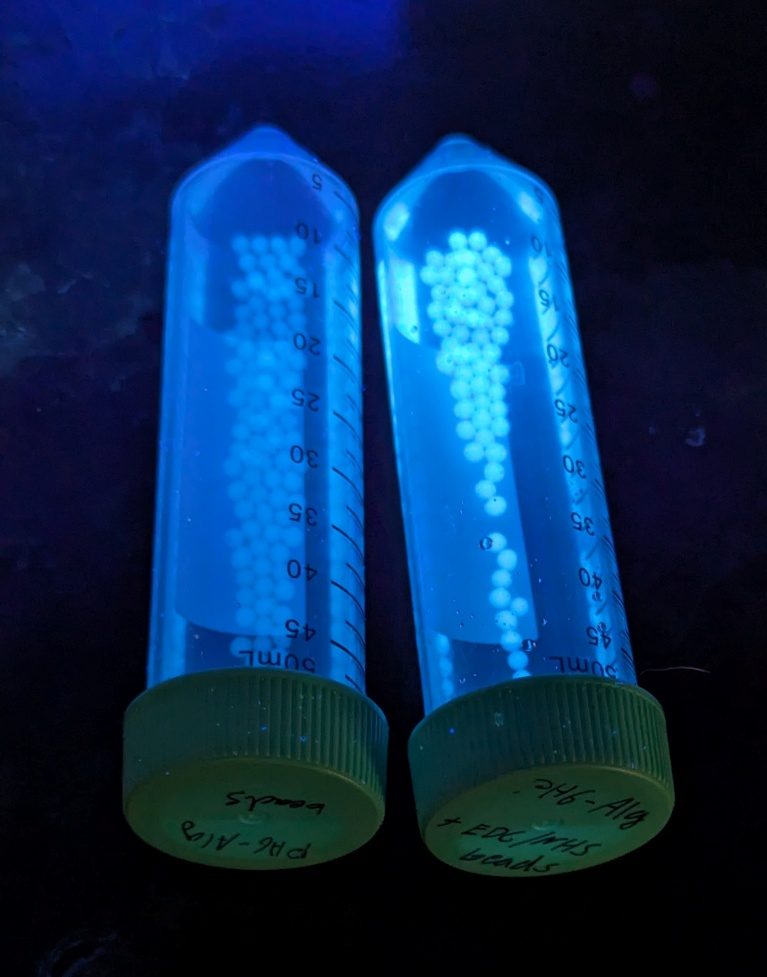
Carbon dots are small, bright and, when designed well, biocompatible. We engineer their surface chemistry to control how they enter cells, where they go and what they carry. Current projects include conjugated carbon dots that target biomarkers in triple-negative breast cancer, mechanochemically conjugated drug carriers, and studies of how surface charge dictates the route of cellular uptake.
Earlier work from the group established ratiometric carbon dot probes for intracellular pH and temperature, and gadolinium-containing nanoparticles for combined optical and MR imaging.
Key papers
- Mechanochemically-Mediated Dynamic Imine Bond Conjugation for Drug Delivery Using Carbon Dots. Nanoscale (2025).Invited
- Surface charge dictates the mechanism of cellular uptake of fluorescent amine passivated carbon dots. RSC Advances (2025).
- Shining a Light on Cells: Amine-Passivated Fluorescent Carbon Dots as Bioimaging Nanoprobes. Materials Advances (2024).Cover
Sensing & diagnostics
Because carbon dot fluorescence responds to its chemical surroundings, it can be turned into a measurement. We design probes whose emission changes in a selective, quantifiable way, and we build them into practical formats: paper strips, wearable masks and portable readers.
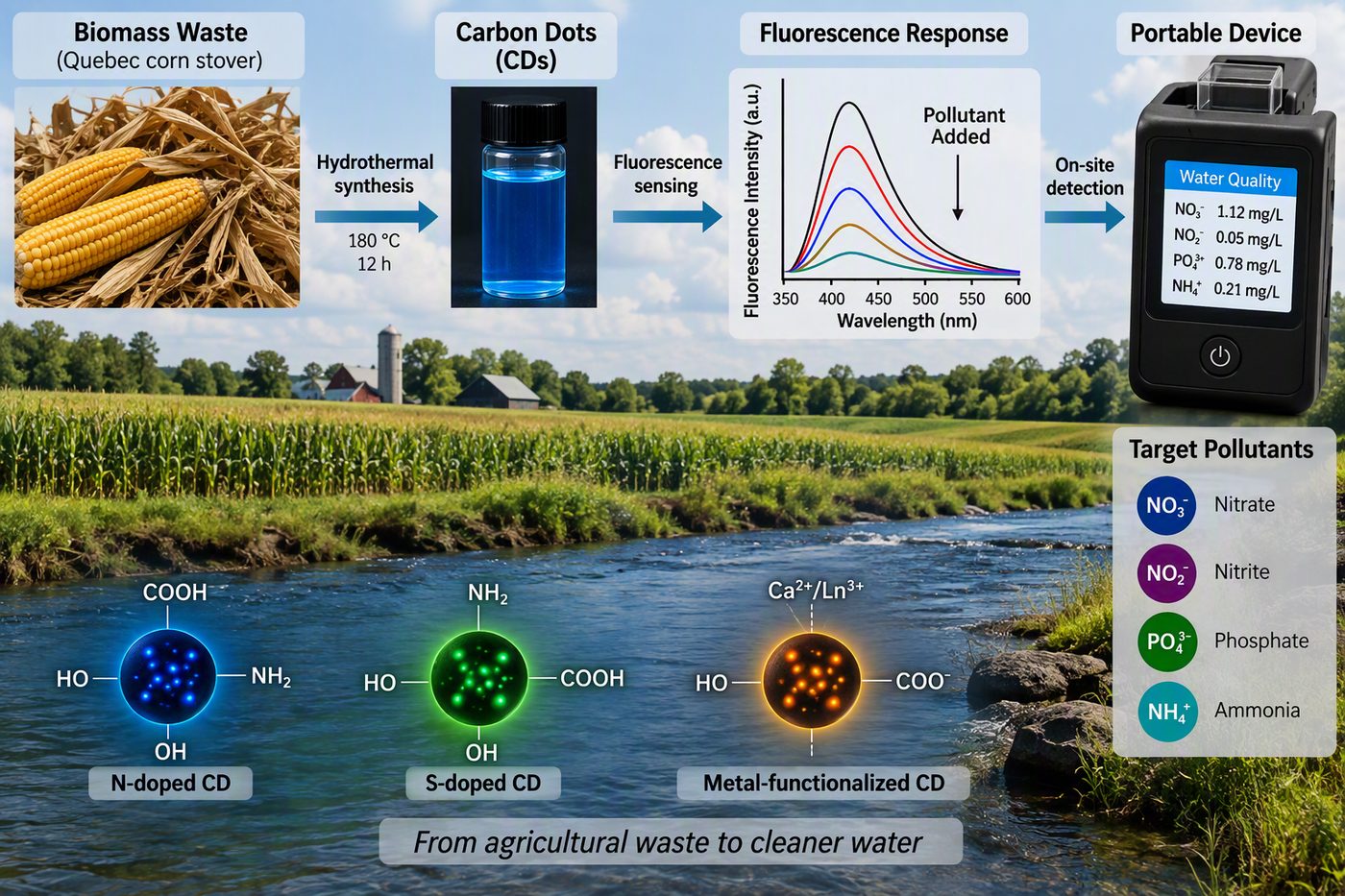
Projects include biomass-derived carbon dots for nutrient pollutants from agricultural runoff, ratiometric detection of the herbicide glyphosate in water, heavy-metal sensing, and a mask-integrated sensor for volatile organic compounds that signal respiratory disease.
Key papers
- Ratiometric sensing of glyphosate in water using dual fluorescent carbon dots. Sensors (2023).Invited
- Ratiometric Detection of Heavy Metal Ions Using Fluorescent Carbon Dots. Environmental Science: Nano (2019).
- Elucidating the Quenching Mechanism in Carbon Dot-Metal Interactions – Designing Sensitive and Selective Optical Probes. Sensors (2021).
Environment & water
Emerging contaminants such as pharmaceuticals, pesticides and dyes persist in Canadian waters. We develop low-cost materials, many made from waste biomass such as lignin and corn stover, that adsorb these pollutants or degrade them under light.
Current work covers carbon dot–TiO₂ photocatalysts for pharmaceutical contaminants, novel carbon dot-based systems for Fenton-type degradation, and magnetic activated carbons that can be recovered and reused.
Key papers
- Experimental, Machine-Learning, and Computational Studies of the Sequestration of Pharmaceutical Mixtures Using Lignin-Derived Magnetic Activated Carbon. ACS Sustainable Resource Management (2025).
- Emerging hazardous chemicals and biological pollutants in Canadian aquatic systems and remediation approaches: A comprehensive status report. Science of the Total Environment (2024).
- Efficient Decaffeination with Recyclable Magnetic Microporous Carbon from Renewable Sources: Kinetics and Isotherm Analysis. Environmental Research (2024).
Clean energy & catalysis
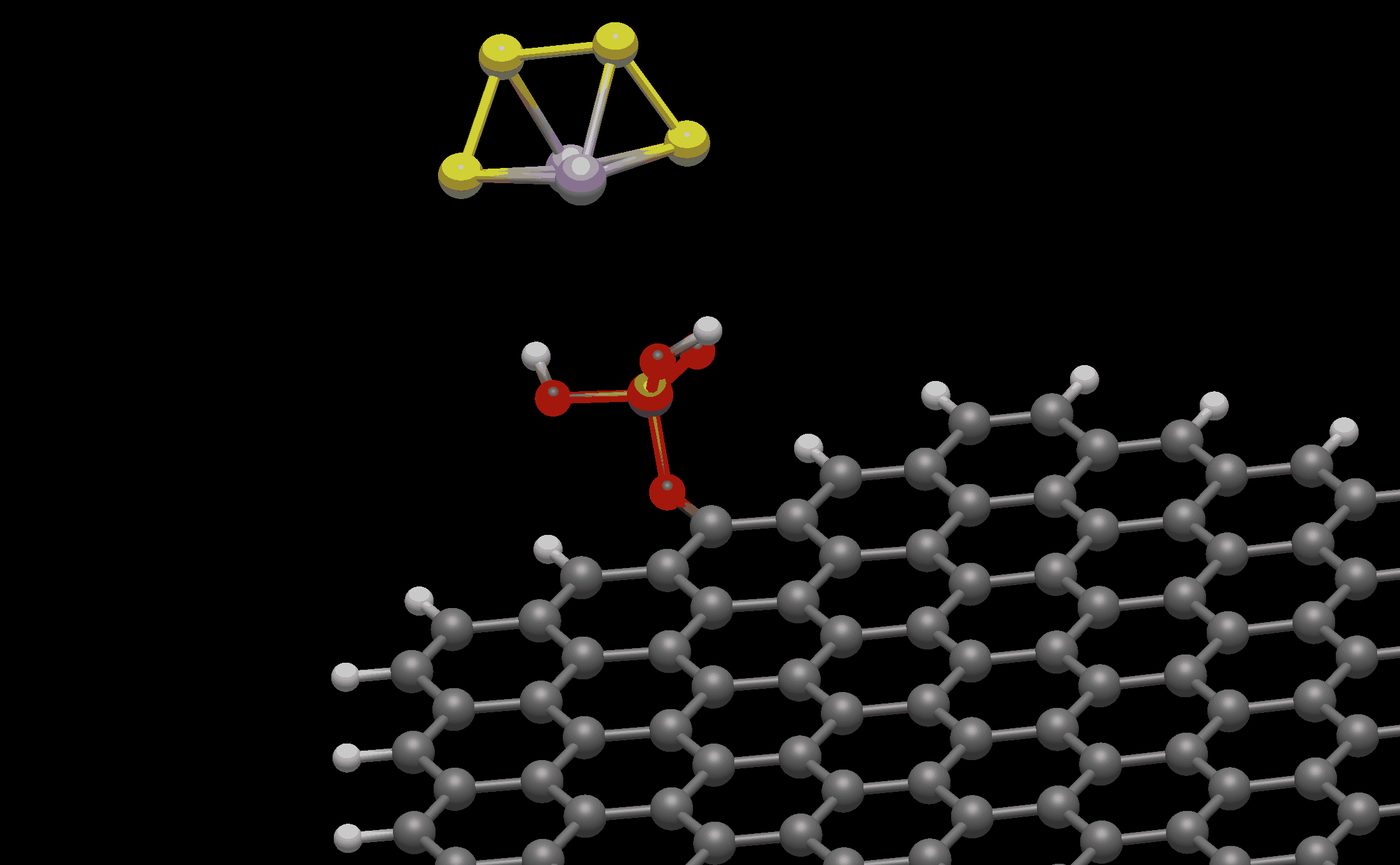
We use nanomaterials to make energy technologies cleaner and more efficient. Carbon dots, carbon nitrides and calcined salts serve as recyclable heterogeneous catalysts that turn inedible oils into biodiesel. Heteroatom-doped carbon dots help confine polysulfides in lithium–sulfur battery cathodes, guided by DFT and machine-learning simulations. Halide solid electrolytes are studied for all-solid-state batteries.
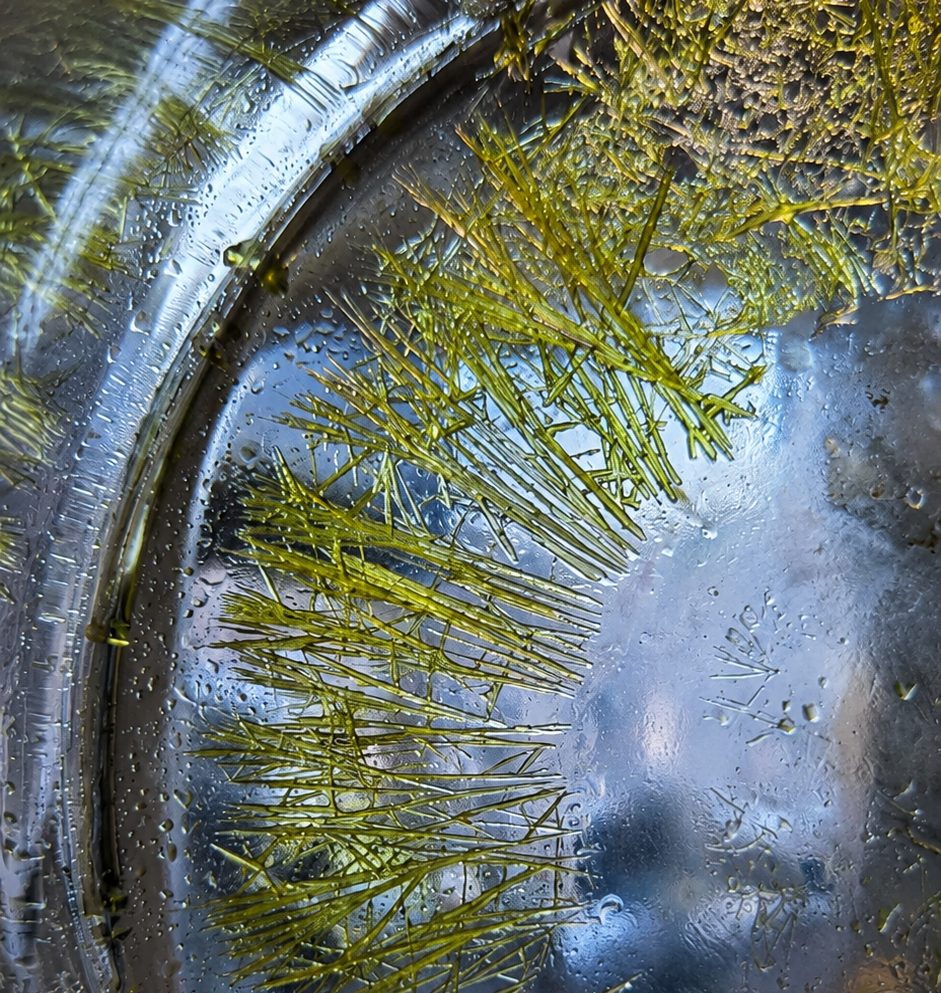
For solar energy conversion, we control the size, composition and optics of CuInSe₂ nanocrystals, including new mechanochemically prepared precursors.
Key papers
- Response surface analysis of CuInSe2 nanoparticle synthesis: unravelling the interplay of temperature, time, and ligand composition for size control. Nanoscale (2026).CoverInvited
- Advances, challenges, and perspectives in developing CuInX2 (X= S, Se) nanomaterials for solar energy conversion applications. Journal of Materials Chemistry A (2025).Invited
- Exploiting the Potential of Calcined Sodium Citrate as a Novel and Efficient Heterogeneous Catalyst for Biodiesel Synthesis. Catalysis Science and Technology (2024).Cover
Luminescence & materials under extreme conditions
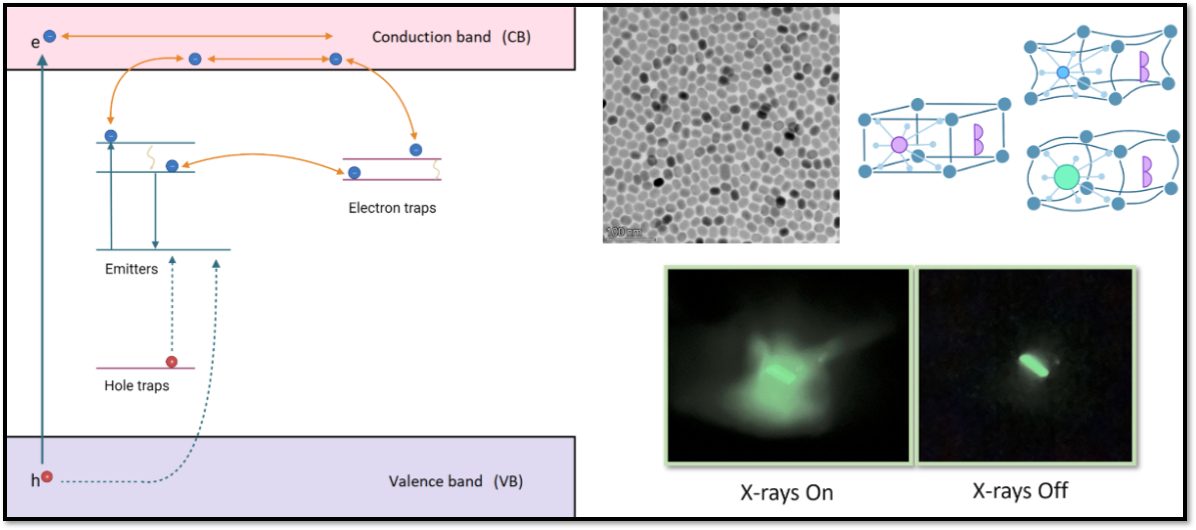
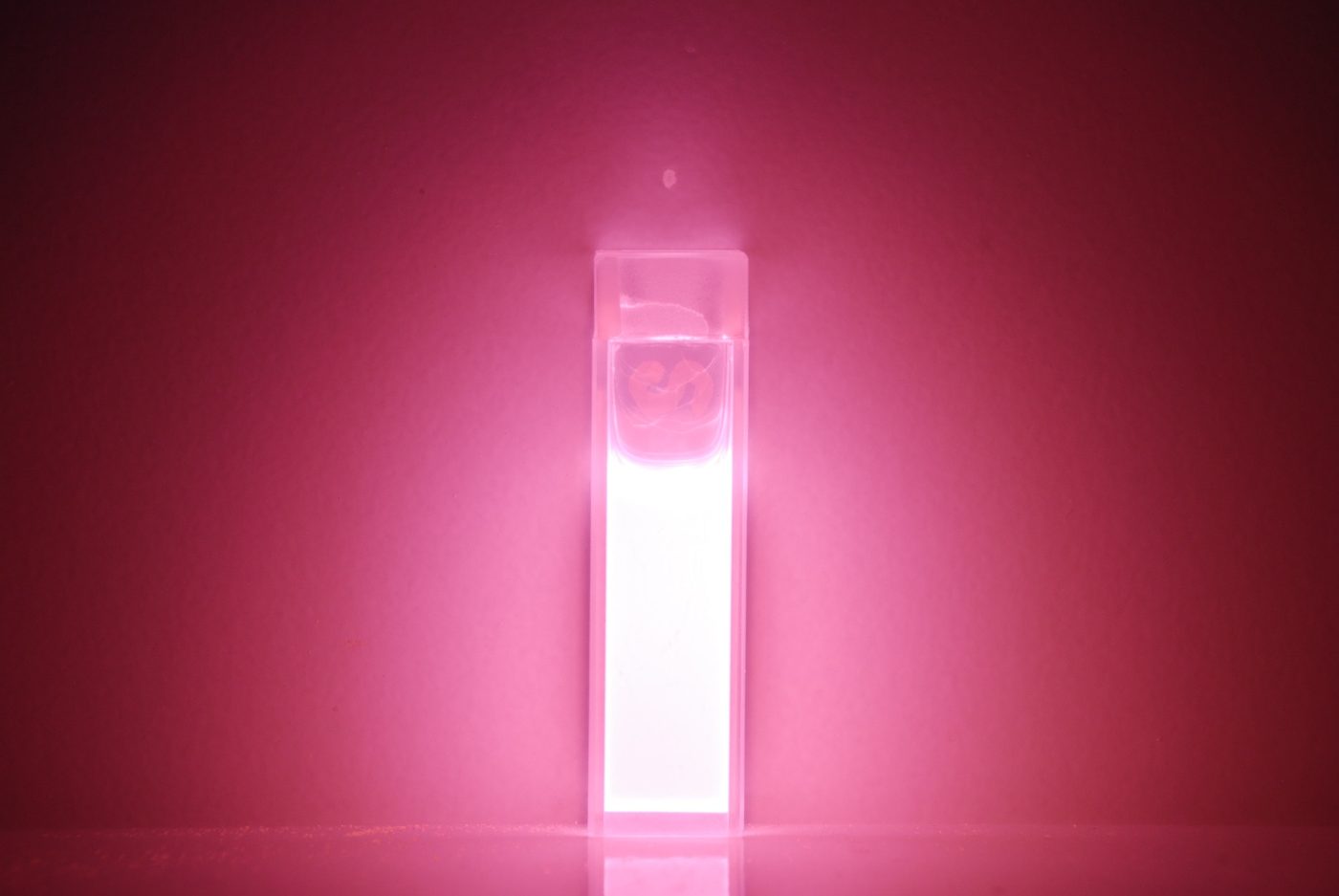
Underpinning every application is a fundamental question: what controls how a nanomaterial absorbs and emits light? We combine synthesis with steady-state and time-resolved spectroscopy to explain mechanisms such as dual fluorescence in carbon dots and persistent luminescence in lanthanide-doped nanoparticles.
We are also extending this work to demanding settings: X-ray-activated persistent phosphors for sensing without constant excitation, nanomaterials that must survive radiation, UV and thermal cycling in space, and chiral nanomaterials for spin-selective devices.
Key papers
- Elucidating the Mechanism of Dual-Fluorescence in Carbon Dots. Journal of Colloid and Interface Science (2022).
- Covert Information Storage using Temporal Emissions from Lanthanide-doped Nanoparticles. ACS Applied Nano Materials (2023).
- Towards Uniform Optical Properties of Carbon Dots. Particle and Particle System Characterization (2020).Cover
From the bench and the computer