Principal investigator
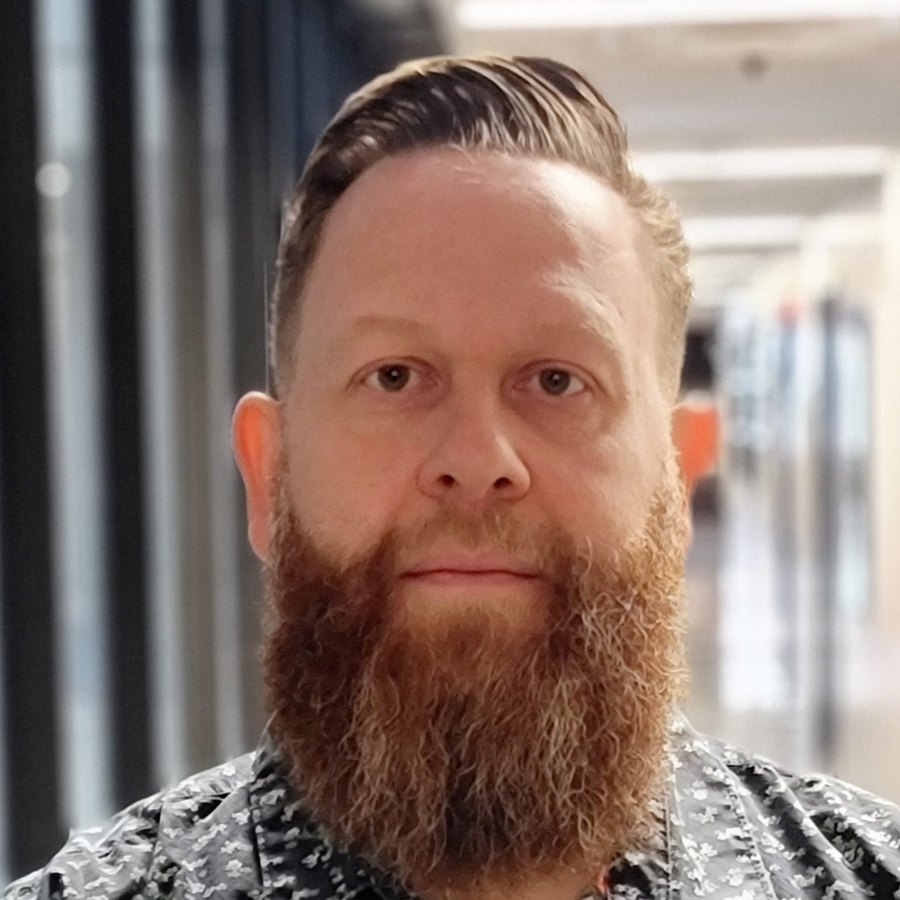
Prof. Rafik Naccache, PhD
Professor · Co-director, Centre for NanoScience Research (CeNSR)
Rafik Naccache is a Professor in the Department of Chemistry and Biochemistry at Concordia University and Co-director of the Centre for NanoScience Research (CeNSR). He previously held a Concordia University Research Chair (Tier 2) in Sustainable Multifunctional Nanomaterials (2021–2026).
He obtained his PhD in Chemistry at Concordia (2012), working on lanthanide-doped upconverting nanoparticles for imaging, and received the Distinguished Doctoral Dissertation Prize and the Governor General’s Gold Medal. He then completed NSERC postdoctoral training in nanobiophotonics at the Institut national de la recherche scientifique (INRS), developing terahertz sensing applications, before joining Concordia in December 2015 as a strategic hire in nanomedicinal chemistry. He has since been named a Concordia University Research Fellow and a Petro-Canada Young Innovator.
His group studies the fundamental properties of fluorescent carbon nanomaterials and hybrid nanosystems and applies them to biosensing and imaging, drug delivery, catalysis and clean energy. Before his academic career he spent a decade in pharmaceutical R&D at Merck Frosst (Merck & Co.), working on materials characterization and drug development, and he continues to consult for pharmaceutical companies.
Current members
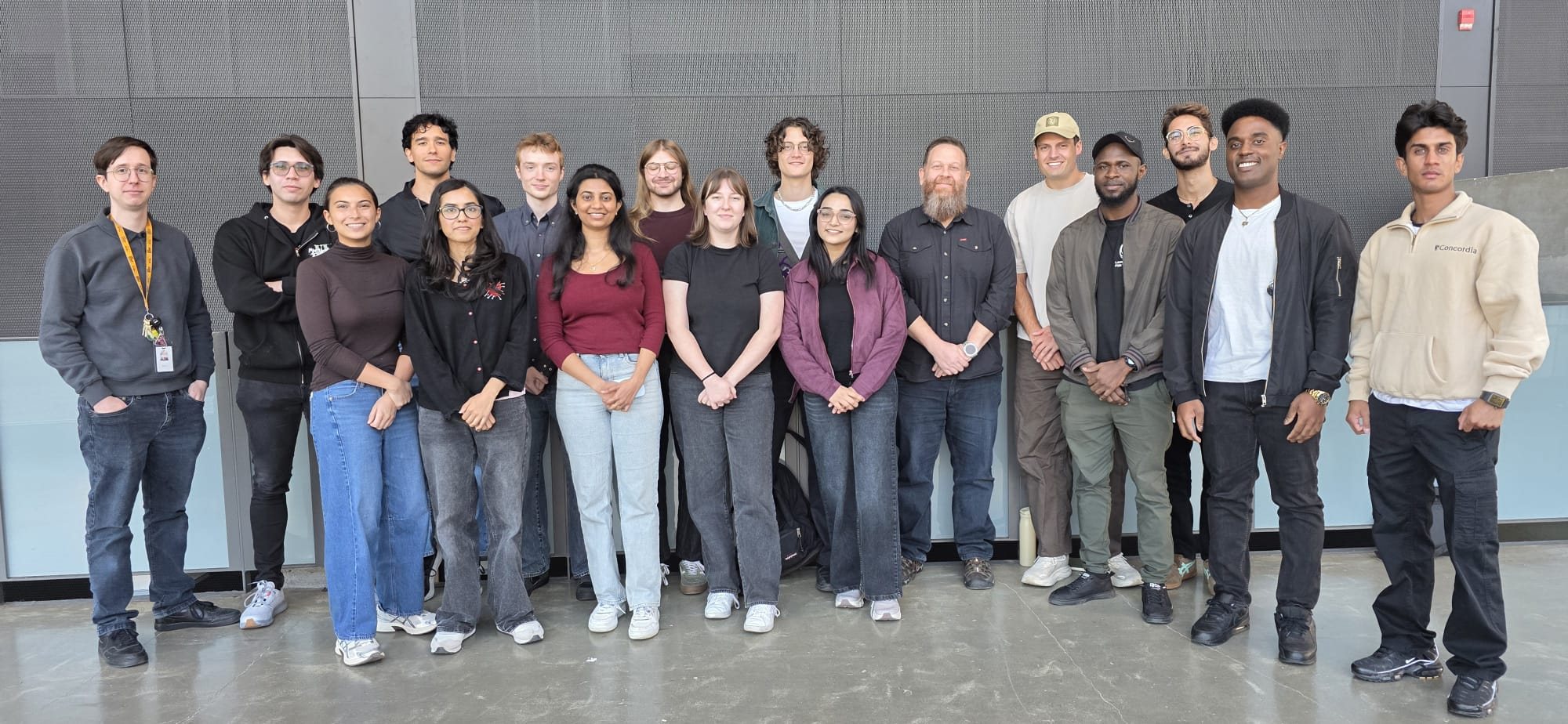
Postdoctoral fellows and graduate students
Select Bio or Research on any card to read more.
Mitacs Postdoctoral Fellow
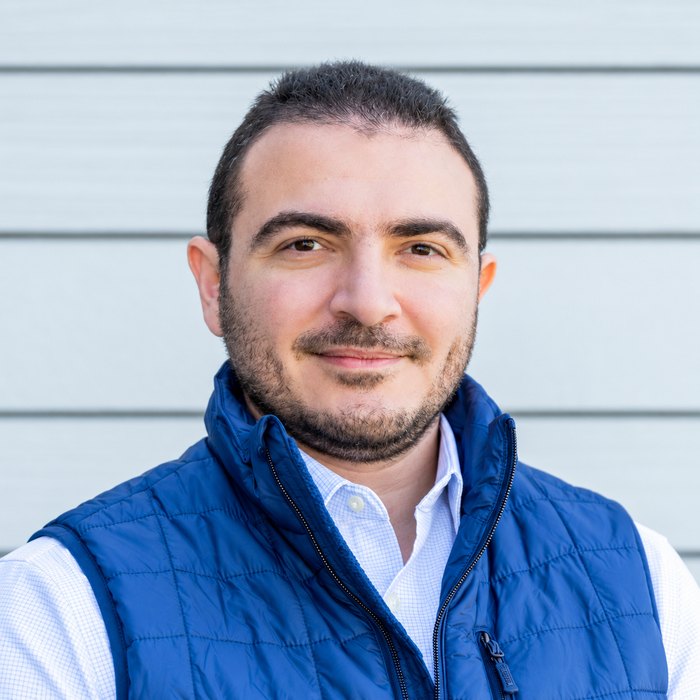
Dr. Haitham Shoman
Sensing & diagnostics
Bio
Haitham Shoman is a physician-scientist in translational medical technology and the founder and CEO of Qalam Health. Haitham earned an MD from Ain Shams University (Cairo), an MPH from Imperial College London as a Chevening Scholar, and an MSc in Health Policy and Management from Harvard University, and completed MIT’s program in Medical Device Design and Development. As a Vanier Canada Graduate Scholar, Haitham then completed a PhD in Experimental Surgery at McGill University. That career spans more than 20 years across academic surgery, global health and the medtech sector, including the World Health Organization, Harvard Medical School and Cambridge University Hospitals.
Research
Haitham works on precision medicine in surgical oncology. With clinical and research collaborators, the team is developing the Qudrapen, an AI-powered handheld probe that combines molecular imaging with machine learning to tell cancerous from healthy tissue during surgery. The work involves building a tissue spectral library, training machine-learning models and validating the technology against histopathology, with trials under way at the Montreal General Hospital. The aim is to give surgeons timely information to remove tumours precisely while sparing healthy tissue.
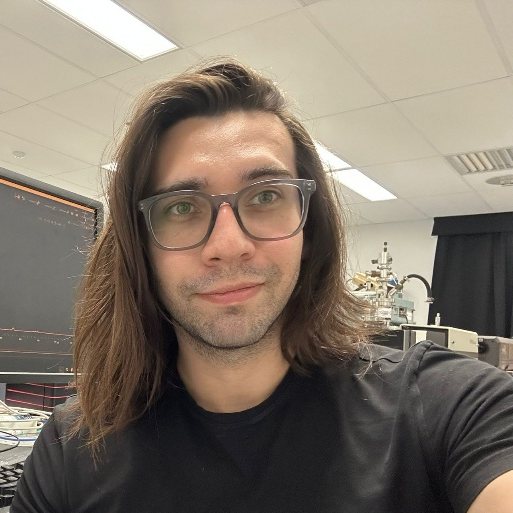
PhD Student
Camilo Garcia-Henao
Luminescence & materials
Bio
Camilo is a chemist whose early work focused on nanomaterials for environmental adsorption, reduction and oxidation processes. A keynote by Prof. John Capobianco on lanthanide ions changed his course, and he retrained as a spectroscopist. When he isn’t running syntheses, doing spectroscopy or deep in data analysis, he can usually be found in the pit at a rock show or playing guitar at home.
Research
Camilo develops X-ray-activated, lanthanide-doped persistent luminescence nanoparticles for optical sensing in situations where constant excitation is not feasible. He uses defect engineering to balance efficient luminescence against high trap-storage capacity, aiming for bright, long-lasting emission across a range of temperatures. By introducing defects systematically and evaluating them through rigorous spectroscopy and data analysis, his work seeks to explain how these structural changes drive persistent luminescence in lanthanide-doped fluoride nanoparticles.
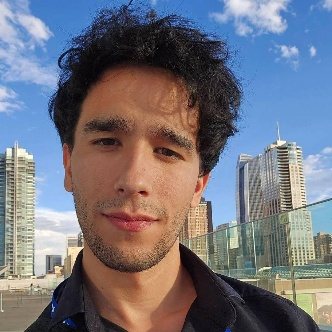
PhD Student
Luis Páramo Serrano
Clean energy
Bio
Luis Alfonso Páramo Serrano holds a BSc in Nanotechnology Engineering and an MSc in Nanotechnology from the Autonomous University of Querétaro, Mexico. He is particularly interested in controlling the synthesis and optical properties of CuInSe₂-based quantum dots. Outside the lab he enjoys water sports, music, and playing bass alongside Camilo on guitar.
Research
Luis develops copper-based chalcogenide nanomaterials for solar energy conversion. He studies the synthesis of CuInSe₂ nanoparticles, with emphasis on controlling their composition, structure and optical properties. In parallel, he develops new mechanochemically prepared precursors and examines how their structure influences reactivity and, in turn, nanomaterial formation.

PhD Student · FRQNT Scholar
Magdalin Asir Gnanaraj
Nanomedicine
Bio
Magdalin graduated from the Karunya Institute of Technology and Sciences with an Integrated Master’s degree, where she used nanomaterials for chemotherapeutic drug delivery and photocatalytic wastewater treatment. She now works at the interface of nanomaterials and cancer therapy as an FRQNT scholar. Outside the lab she enjoys cooking different cuisines and quiet time in nature.
Research
Magdalin’s doctoral research uses conjugated carbon dots that target biomarkers on triple-negative breast cancer (TNBC) cells, with the aim of curbing TNBC cell proliferation through chemodynamic therapy. She also studies Fenton-type degradation of dyes and pharmaceutical compounds using carbon dot-based catalysts, including identification of the degradation products.
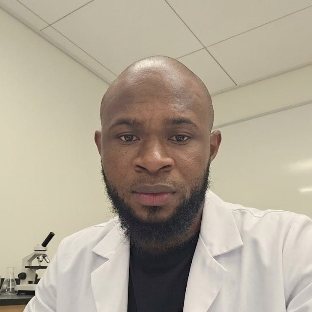
PhD Student
Momodou Jallow
Sensing
Bio
Momodou completed an MSc in Chemistry at King Fahd University of Petroleum and Minerals, where he developed polymer–graphene oxide nanocomposites that inhibit shale hydration in water-based drilling fluids. His interests span carbon-based nanomaterials, surface functionalization, fluorescence sensing and environmental analysis. He is active in teaching, student mentorship and chemistry outreach, and his long-term goal is accessible, sustainable analytical technology for environmental monitoring, particularly for communities with limited resources.
Research
Momodou develops fluorescent carbon dots from renewable biomass for sensitive, selective detection of environmental pollutants. He studies how precursor composition and surface functionalization shape optical properties, fluorescence response and analyte recognition, with a focus on nutrient pollutants from agricultural runoff. The goal is a portable, low-cost fluorescence sensing platform that combines green chemistry, nanomaterials, analytical chemistry and portable instrumentation to support water-quality monitoring.
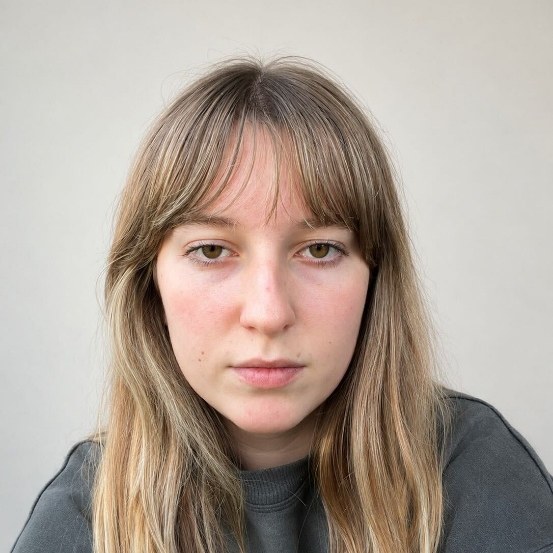
PhD Student
Ana Dalpiaz
Nanomedicine
Bio
Ana has a background in biotechnology and research experience in biomaterials, cell biology, molecular diagnostics and nanotechnology, gained in research environments in both Brazil and Canada, and is especially interested in interdisciplinary projects that connect nanotechnology and biomedical research. Outside the lab, Ana is involved in scientific outreach and in initiatives that support women in science.
Research
Ana develops carbon-dot-based nanovectors for gene regulation using CRISPR activation (CRISPRa). The current focus is a CD-PEI platform designed to support the reactivation of HNF4α and HNF4γ, using Crohn’s disease as an initial biological application. The work combines nanomaterials, molecular biology and cell-based approaches to explore new strategies for biomolecular delivery.
PhD Student
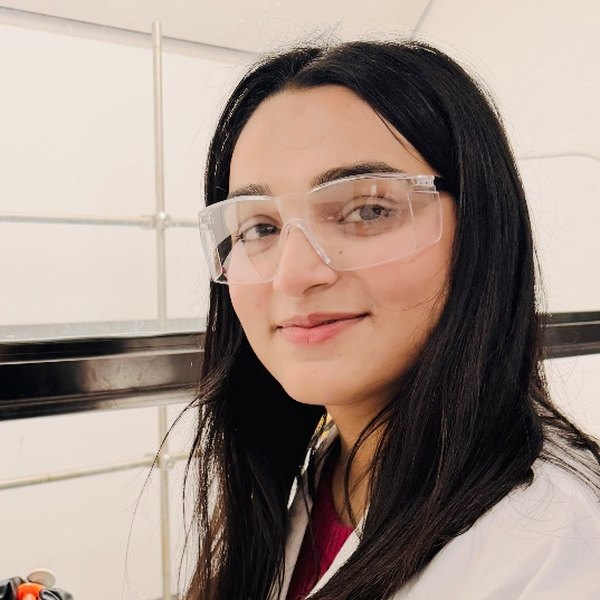
Daniya Shahid
Environment
Bio
Daniya completed a BSc in Chemistry with Distinction (2023) and an MSc in Analytical Chemistry (2025) at Aligarh Muslim University (AMU) in Aligarh, India, with a particular interest in nanomaterials for environmental remediation. At AMU, Daniya took an active part in academic conferences and workshops and received a Best Paper Presentation Award at an international conference. Outside the lab, Daniya enjoys university events, Korean dramas and badminton.
Research
Daniya develops nanocomposite photocatalysts that transform pharmaceutical contaminants in water. The current focus is a chitosan-regulated composite of nitrogen-doped carbon dots (N-CDs) and Cu₂O, studying how surface chemistry and interfacial interactions govern pollutant adsorption, charge transfer and photocatalytic activity. The goal is to clarify how pharmaceuticals degrade at these interfaces and to design more effective materials for water treatment.
PhD Student (co-supervised with Dr. Alisa Piekny)
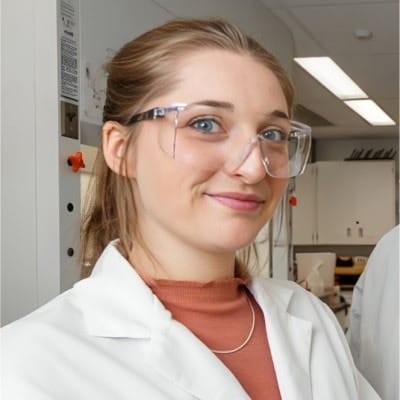
Adryanne Clermont-Paquette
Nanomedicine
Bio
Adryanne is a PhD student with a background in biology, working on the use of carbon dots in biological systems. That work has built experience in nanoparticle synthesis and design, surface characterization and functionalization, optical and confocal microscopy, absorption, fluorescence and FT-IR spectroscopy, and mammalian cell culture. Outside research, Adryanne is an experienced hospitality manager and entrepreneur, with more than five years in restaurant operations and team leadership and a background in marketing, public relations and sales, and co-founded a business in 2021 that recently completed its first public launch.
Research
Adryanne investigates the physicochemical properties, cellular interactions and cytotoxic effects of fluorescent carbon dots. The aim is a fluorescent imaging tool that tracks anticancer drugs in living cells and reveals their intracellular localization and sites of action, advancing the understanding of drug–cell interactions and supporting new approaches in medicinal chemistry.
PhD Candidate (co-supervised with Dr. Louis Cuccia)
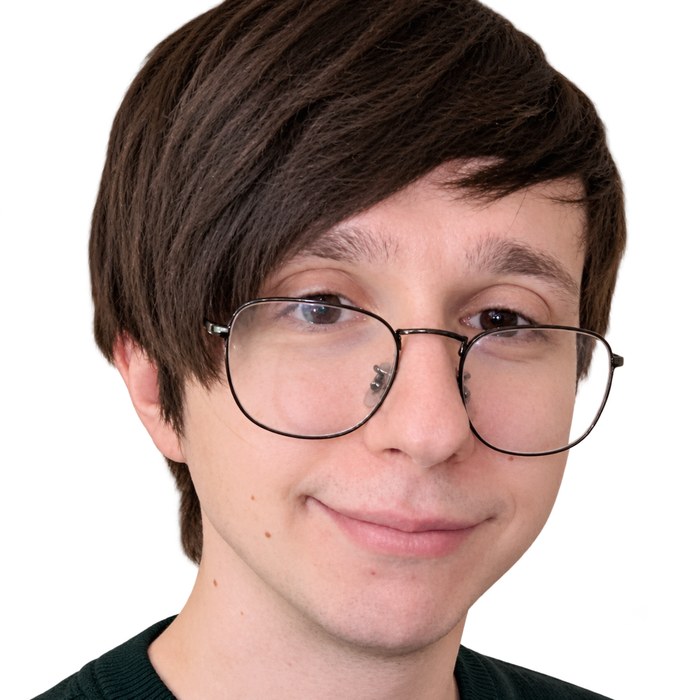
Gregory Amato
Clean energy
Bio
Gregory was born and raised in Laval, Quebec, and completed a BSc in Chemistry at McGill University. As an undergraduate, Gregory synthesized dithiophosphate ligands and their cobalt complexes with Dr. Bohle, and developed a tensile testing method for mussel byssal threads with Dr. Harrington. Outside the lab, Gregory enjoys miniature painting, trading card games and other hobbies that combine creativity and strategy.
Research
Gregory studies chiral materials and the links between chirality, magnetism and triboelectric charge transfer. The focus is the chiral-induced spin selectivity (CISS) effect, in which chiral materials interact preferentially with electrons of one spin orientation, and how it may influence charge transfer in triboelectric nanogenerators, devices that turn mechanical motion into electrical energy. Through materials synthesis, thin-film fabrication and electrical characterization, the project probes the role of electron spin in contact electrification.
MSc Student
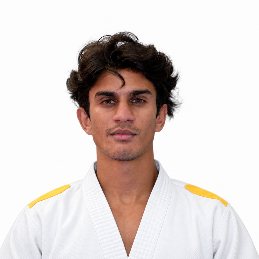
Aran Abrahamlingam
Luminescence & materials
Bio
Aran has a background in physics and computer science, and his interests lie at the intersection of nanotechnology, space systems and robotics. Outside the lab he works on space technology projects involving planetary rovers and spacecraft systems, and is active in Canada’s space community. He is a third-degree black belt in ITF Taekwon-do, has represented Canada at two World Championships, and won gold at the Pan-American Championships.
Research
Aran’s research focuses on nanomaterials for space and solar-energy applications, and on how their performance changes under harsh conditions. He studies the stability and durability of nanomaterials exposed to radiation, ultraviolet light and temperature cycling, with the broader goal of designing materials that perform reliably in spacecraft, satellites and future space infrastructure.
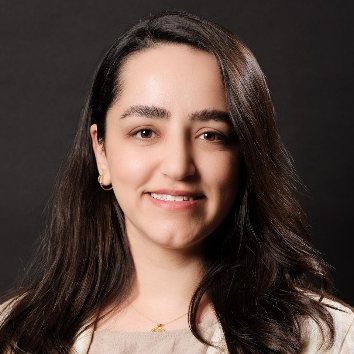
MSc Student (Nanoscience & Nanotechnology; co-supervised with Dr. Truong Nguyen)
Niloofar (Nili) Golchin
Environment
Bio
Nili holds a bachelor’s degree in chemical engineering from Persian Gulf University, Iran. After five years of professional experience, she returned to academia with a renewed passion for research. Beyond the laboratory, she enjoys time in nature, practising calligraphy and chasing new adventures, always curious, with or without a lab coat.
Research
Nili’s research focuses on carbon dot–TiO₂ nanocomposites for the photodegradation of pharmaceutical emerging contaminants in water. She explores how combining carbon dots with TiO₂ enhances photocatalytic performance under different light conditions, linking nanomaterial design to practical water-treatment challenges at the intersection of nanotechnology, environmental engineering and materials science.
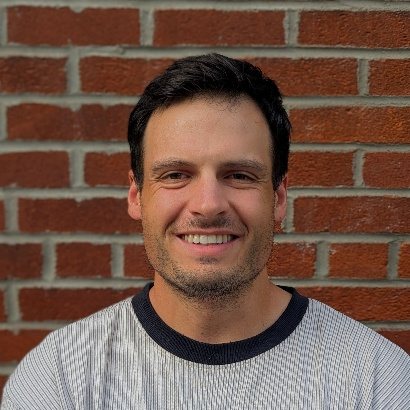
MSc Student (Nanoscience & Nanotechnology; co-supervised with Dr. Sana Jahanshahi-Anbuhi)
Samuel “Stash” Wrobel
Sensing
Bio
Stash grew up on a sheep farm in Montana before his studies took him far from agriculture. He studied molecular neuroscience at the University of Montana and worked in a diagnostics laboratory, developing new testing methods for respiratory diseases and Neonatal Opioid Withdrawal Syndrome. After studying Spanish in Granada, Spain, he moved to Montréal for a master’s in Nanoscience and Nanotechnology. Outside the lab he plays tennis, mountain bikes, skis, and loves almost any outdoor activity.
Research
Exhaled volatile organic compounds (VOCs) can signal acute and chronic respiratory diseases. Stash is developing a non-invasive diagnostic: a photoluminescent carbon dot sensor, with the dots immobilized on paper and integrated into a wearable mask. Gaseous VOCs change the dots’ fluorescence in a measurable way, offering a route to earlier, more reliable diagnosis of lower respiratory infections and chronic pulmonary conditions.

MSc Student (Nanoscience & Nanotechnology; co-supervised with Dr. Xia Li)
Zacharias Leonidakis
Clean energy
Bio
Zacharias’s background includes particle-physics data analysis at CERN’s LHCb experiment and materials research for solid-state batteries at ASML/ARCNL. He now combines experimental and computational research on next-generation sustainable battery materials.
Research
Zacharias works on two fronts. First, he synthesizes and characterizes heteroatom-doped carbon quantum dots for lithium–sulfur battery cathodes, using density functional theory (DFT) and machine-learning interatomic potentials to understand their behaviour at the atomic level. Second, he uses first-principles DFT, alongside synthesis and characterization, to study and optimize the stability and performance of halide solid electrolytes for all-solid-state lithium batteries.
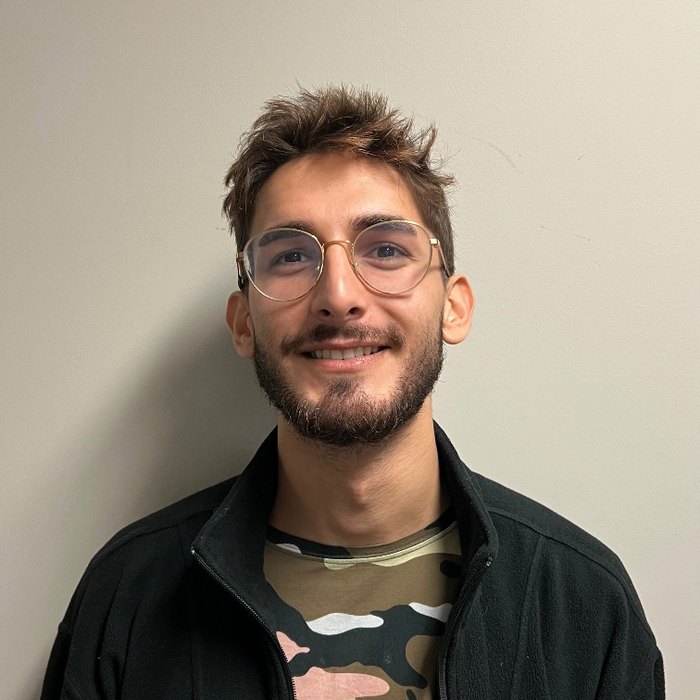
MSc Student (Biochemistry; co-supervised with Dr. Brandon Findlay)
Berke Koseoglu
Nanomedicine
Bio
Berke was born and raised in Istanbul and earned a BSc in Biochemistry at York University in Toronto, completing an undergraduate thesis in the Baumgartner Lab on the synthesis of phosphorus-based conjugated materials for composite light emission. Berke is now pursuing a master’s in Biochemistry at Concordia. Outside the lab, Berke enjoys reading, CrossFit, the outdoors and travelling.
Research
Berke is interested in drug discovery and antimicrobial resistance. The project synthesizes carbon dot-based antibiotics and tests their antibacterial activity against ESKAPE pathogens isolated from Canadian intensive care units, exploring nanomaterial-based antibiotics as a way to fight these bacteria and reduce reliance on conventional antibiotics.
Alumni
Our alumni
More than fifty students and researchers have trained in the lab since 2015. Graduate alumni are listed with their thesis topic.
Graduate alumni
- Mustafa Jahangir · MSc, co-supervised with Dr. Xia Li, 2024–2026
Functionalized carbon dots for lithium–sulfur battery cathodes - Michelle Pains Duarte · PhD, 2021–2025
Glycerol-derived carbon nanocatalysts for biofuels from inedible oils - Gianluca Fuoco · MSc, 2023–2025
Carbon dot drug-delivery vehicles - Arezoo Setayesh · MSc, 2022–2024
Carbon dot systems for antimicrobial and antiviral applications - Aisha Hamilton · MSc, 2021–2023
Biomass-derived catalysts for the production of biofuels - Diego Mendoza · MSc, 2021–2023
Carbon dot biosensors - Adryanne Clermont-Paquette · MSc, co-supervised with Dr. Alisa Piekny, 2020–2023
Effect of surface, size and morphology on carbon dot uptake in live cells - Tayline de Medeiros · PhD, 2018–2022
Metal-enhanced fluorescence of carbon dots - Jun-Ray Macairan · PhD, 2016–2021
Multimodal carbon dots for optical and MR imaging - Alexia Macina · MSc, 2018–2020
Heterogeneous carbon dot catalysts - Farah Noun · MSc, 2018–2020
Carbon dots for heavy-metal capture in environmental clean-up - Florence Victoria · MSc, 2017–2020
Synthesis of chiral carbon dots
Former research associates and postdocs
- Adeola Adedapo · 2022–2025
Environmental applications of carbon materials - Mohamad S. Askari · 2018–2019
Hybrid nanoparticles for catalysis - John Manioudakis · 2017–2019
Surface passivation of carbon dots - Juan Sebastian Pappalardo · 2017–2019
Carbon dot nanosensors for pathogen detection - Yanjie Liang · 2017–2018
Bismuth dots for catalysis
Undergraduate alumni
- Carissa de Mesa (CHEM 419)
- Tashial Roper-Mungal (Undergraduate intern)
- Ruth Rezene Habte (Undergraduate intern)
- Sasha Sooriyakumar (College intern)
- Junye Chen (CHEM 450, 2024)
- Igor Bolonezi (ELAP, 2024)
- Mariana Godoi (ELAP, 2024)
- Alma Rios (ELAP)
- Andrea Rubio (ELAP)
- Amanpreet Parihar (CHEM 419, 2023)
- Tyler Jarguile (CHEM 419, 2023)
- Kirstin Buenviaje (CHEM 450, 2022)
- Nicole Paredes Vegas (MITACS / USRA, 2020–2022)
- Evelyne Deschênes Jurtschyschyn Jury (Intern, 2020–2022)
- Vance Alvarez Laprade (CHEM 450, 2020–2021)
- Tarik Basic (CHEM 450, 2020–2021)
- Jay Patel (CHEM 419, 2020–2021)
- Ivana Rebuli (CHEM 419, 2020)
- Abdelrahman Elmanzalawy (CHEM 450, 2020)
- Imene Yahiaoui (CHEM 419, 2020)
- Najnin Hossain (CHEM 419)
- Adryanne Clermont-Paquette (BIOL 490, 2018–2020)
- Miguel Rodriguez (CHEM 450, 2019)
- Danya Kallas (Summer intern, 2019)
- Dounia Almelhm (Summer intern, 2019)
- Anas Sabsoob (Summer intern, 2019)
- Francisco Yarur (CHEM 419, 2017–2018)
- Michael Movsum (CHEM 419, 2017)
- Michael Lesko-Krleza (Summer intern, 2017)
- Merna Georgui (Summer intern, 2016)
- Eden Almakias (Summer intern, 2016)
- Florence Victoria (Co-op intern, 2016)